NEWS & UPDATES
White-Collar Defense: Managing Federal Investigations
An insider’s guide to responding to DOJ and SEC inquiries without compromising your rights.
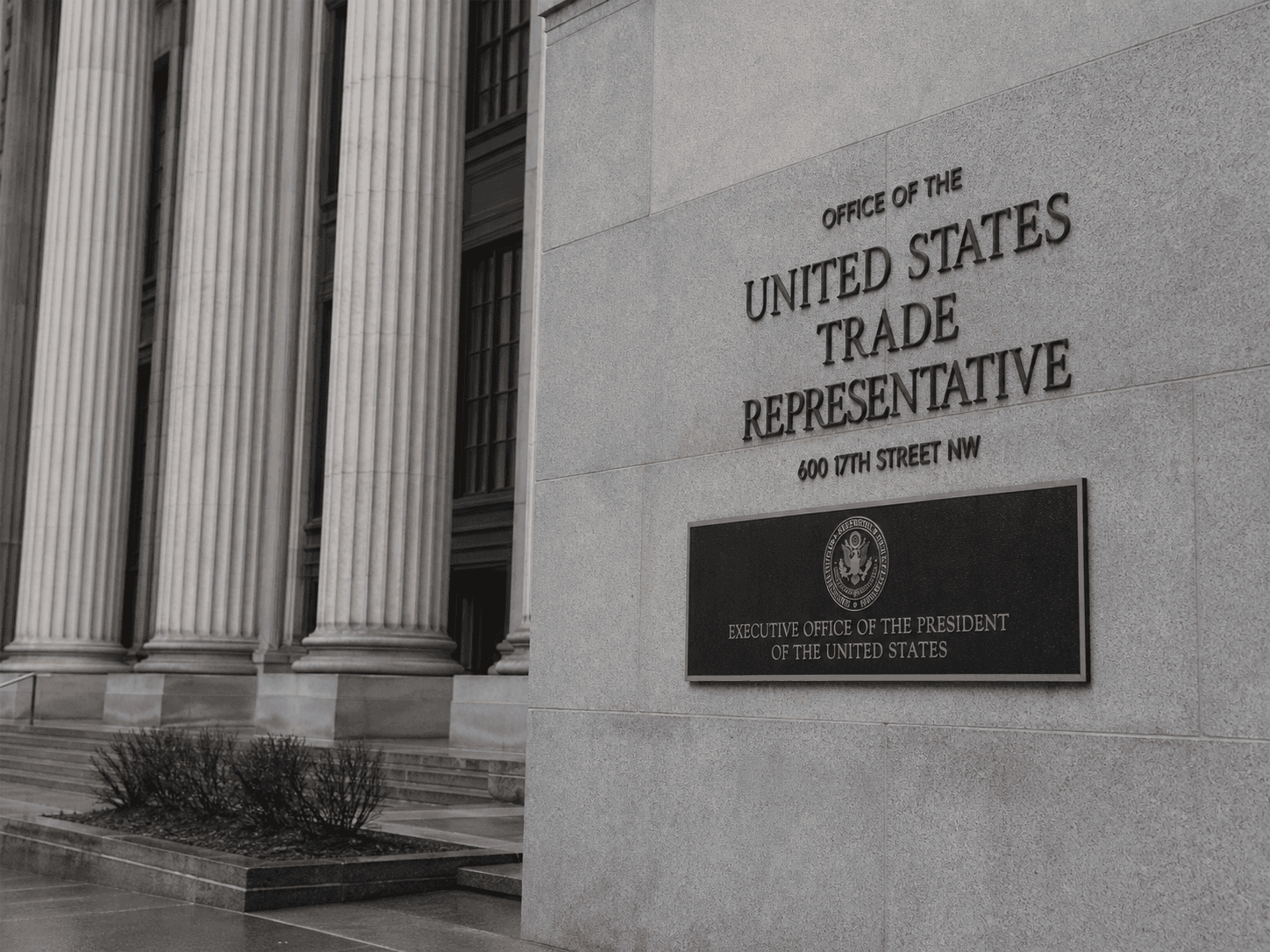
When a corporate executive or organization faces a federal investigation, the stakes naturally extend far beyond standard civil litigation. The regulatory landscape in these cases is often profoundly complex, deeply intertwined with the operational freedom, public reputation, and future liberty of the individuals involved.
Without proactive, strategic legal structuring, a DOJ or SEC inquiry can severely disrupt business operations, trigger forced asset freezes, or accidentally result in obstruction charges. Protecting your career requires a sophisticated blend of deep regulatory expertise and aggressive white-collar defense strategy.
The Critical Role of Internal Audits and Discovery
In a high-stakes federal investigation, the first major hurdle is determining what the government knows versus what actually occurred. This is where attorney-client privileged internal audits become an absolutely vital tool. Defense teams do much more than respond to subpoenas. They dive deep into the company’s digital architecture to:
Trace Communication Logs: Determine if internal emails or Slack messages could be misconstrued by prosecutors to imply criminal intent or conspiracy.
Normalize Financial Disclosures: Adjust the narrative surrounding stated accounting practices to reflect industry standards, neutralizing allegations of intentional fraud.
Identify Target vs. Witness Status: Establish a clear communication timeline with federal agents to prove whether executives are merely subjects of an inquiry or active targets.
Strategic Steps for Corporate Protection
Protecting your organization requires a multi-tiered approach. Below are the primary strategic steps necessary to insulate your company during a federal probe.
1. Securing an Accurate, Defensible Document Hold
A defense cannot be effectively mounted until the destruction of potentially relevant evidence is completely halted. However, managing digital evidence is highly technical and often heavily scrutinized by prosecutors. Relying on standard IT deletion policies is a critical mistake.
A professional forensic expert will typically look at three approaches: server-level preservation, mobile device extraction, and cloud-based holds. Furthermore, your legal team must clearly distinguish between routine data deletion and spoliation (the intentional destruction of evidence). In many federal courts, preventing spoliation avoids obstruction of justice charges, which can save an executive from years of unnecessary prison time.
2. Reviewing Executive Indemnification Agreements
Before grand jury proceedings even begin, it is imperative to meticulously review your existing corporate bylaws, D&O insurance policies, and indemnification agreements.
Many well-drafted corporate documents include specific clauses triggered by federal indictments. For example, an agreement may state that the corporation must advance legal fees for targeted executives, or it may sever support entirely if fraud is admitted. Understanding these contractual guardrails is essential for keeping your defense adequately funded.
3. The Power of Pre-Indictment Negotiation
Federal indictments are a matter of public record. For a publicly traded company, a publicized indictment means your stock valuation, trade secrets, and investor confidence could plummet instantly.
Utilizing private negotiation, proffer agreements, and deferred prosecution agreements (DPAs) is often the best strategy for a high-profile entity. Pre-indictment negotiation keeps sensitive allegations confidential and off the public court docket. It also allows for creative, highly customized settlement structures—such as paying civil fines without admitting criminal guilt—that a jury may not have the leniency to offer in a courtroom.
Securing Your Corporate Future
A federal investigation is not merely about defending the past; it is about successfully securing the operational foundation for your next chapter. By addressing vulnerabilities early and establishing clear boundaries between individual actions and corporate stability, you can ensure that your business continues to thrive.
Author:

Senior Partner
Category:
Legal Insights
Read Time:
6
mins


Next Post ›


Delivering clarity, strategy, and results — at every stage of your case.
Contact
Stay Informed
© 2030 Kingswell Law. All rights reserved.