NEWS & UPDATES
Zoning Laws and Urban Development: What Investors Need to Know
A comprehensive guide to navigating municipal regulations for large-scale commercial projects.
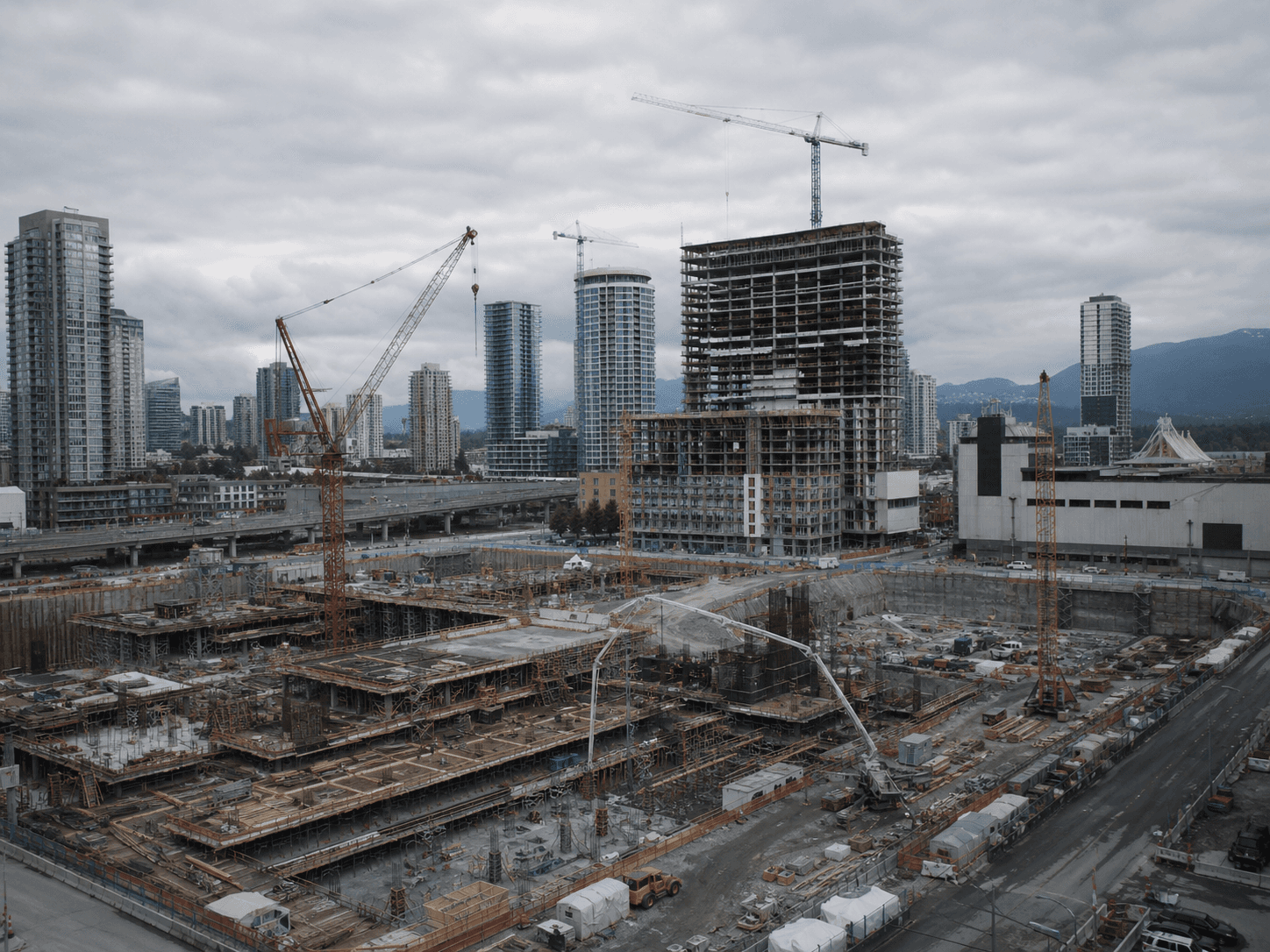
When a commercial developer faces the acquisition of prime real estate, the stakes naturally extend far beyond the standard purchase price. The regulatory landscape in these cases is often profoundly complex, deeply intertwined with municipal zoning boards, environmental compliance, and the future profitability of large-scale corporate entities.
Without proactive, strategic legal structuring, a real estate project can severely disrupt investment capital, trigger forced project abandonments, or accidentally violate federal environmental laws. Protecting your development requires a sophisticated blend of municipal law expertise and aggressive real estate litigation strategy.
The Critical Role of Environmental Due Diligence
In a high-stakes commercial development, the first major hurdle is determining what is physically under the property and what the municipality will allow you to build. This is where Phase I and Phase II Environmental Site Assessments (ESA) become an absolutely vital tool. Environmental attorneys do much more than look at property lines. They dive deep into the land's historical architecture to:
Trace Historical Contaminants: Determine if the soil or groundwater was ever contaminated by previous industrial tenants, triggering massive CERCLA cleanup liabilities.
Normalize Zoning Variances: Adjust the project's stated blueprints to reflect local ordinances, accounting for height restrictions, parking minimums, and setback requirements.
Identify By-Right vs. Conditional Use: Establish a clear permitting timeline to prove the proposed development is a 'by-right' use versus a project requiring heavily contested conditional approvals.
Strategic Steps for Development Protection
Protecting your commercial project requires a multi-tiered approach. Below are the primary strategic steps necessary to insulate your investment during urban development.
1. Securing an Accurate, Defensible Land Use Permit
A project cannot break ground until its true zoning status is established. However, municipal approval is highly subjective and often heavily contested by local neighborhood associations. Relying on a standard zoning map is a critical mistake.
A professional land use attorney will typically look at three approaches: securing vested rights, negotiating Development Agreements, and lobbying for comprehensive plan amendments. Furthermore, your legal team must clearly distinguish between permissible aesthetic variances and structural density limits. In many municipalities, securing a density bonus for green-building compliance can save a developer millions of dollars in lost rentable square footage.
2. Reviewing Title and Easement Agreements
Before acquisition negotiations even begin, it is imperative to meticulously review the property's existing title commitments, historical easements, and utility right-of-ways.
Many commercial properties include specific access clauses or deed restrictions triggered by new construction. For example, an easement may state that a neighboring property retains the right to cross your parking lot, or it may prohibit buildings over a certain height to preserve sightlines. Understanding these contractual guardrails is essential for keeping unbuildable land out of your portfolio.
3. The Power of Community Benefits Agreements
City council hearings are a matter of public record. For a real estate developer, a hostile public hearing means your project’s financial viability, construction timeline, and public reputation could be destroyed by a vocal minority of residents.
Utilizing Community Benefits Agreements (CBAs) and private neighborhood mediation is often the best strategy for a high-profile development. CBAs keep community relations collaborative and off the hostile public docket. It also allows for creative, highly customized project structures—such as funding a local park in exchange for expedited permitting—that a zoning board may require to approve your project.
Securing Your Investment Future
Commercial development is not merely about acquiring the land of the past; it is about successfully securing the structural foundation for your next chapter. By addressing zoning vulnerabilities early and establishing clear boundaries between community disputes and corporate stability, you can ensure that your project continues to thrive.
Author:

Partner
Category:
Resource Guides
Read Time:
3
mins


Next Post ›


Delivering clarity, strategy, and results — at every stage of your case.
Contact
Stay Informed
© 2030 Kingswell Law. All rights reserved.